For a long time now it has become almost routine that the Nursing and Midwifery Council (NMC) will apply for extensions to interim orders due to cases not being concluded during the 18 months they are in place for.
Whilst the NMC recognises the need to cut down on the length of investigations there seems little change on this process and it seems to have been accepted by everyone that this is just a routine part of process with no ability to challenge.
Currently the NMC can impose an Interim Order whilst they investigate in order to either:
- patient safety would be put at risk, or
- there would be serious damage to the reputation of the nursing and midwifery professions if they were allowed to practise without any restrictions.
They can put in place an interim conditions of practice order (CoP) or an interim suspension order.
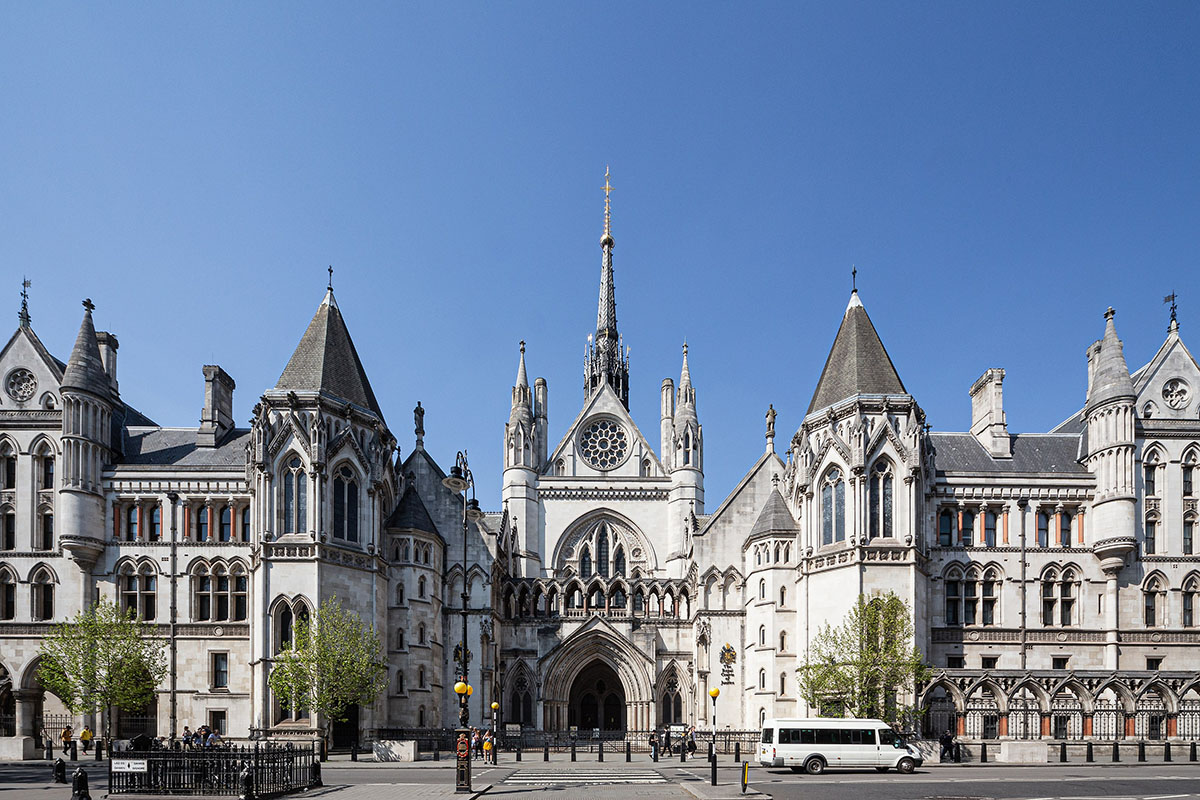
These orders are reviewed every 6 months, if the nurse or midwife or their representation does not proactively offer any new evidence, the hearing will automatically be heard in a meeting and likely continued. If the nurse or midwife wants to challenge the order they need to attend a hearing and give their evidence as to why they feel this is justified. If the case has not closed or been heard at a hearing within 18 months (i.e. three reviews) the NMC will apply to the High Court of Justice for an extension order. Whilst the NMC do inform the registrant that this is happening and invite them to attend or provide submissions, most will not understand this aspect and neither understand how to challenge it. Most unions will not encourage challenging the extension process saying it is futile and costly for them to do so.
We are told by our members that unions are extremely passive when an interim order extension hearing is allocated to the High Court for agreement. We have had a number tell us recently that their union has told them not to bother attending an interim order review hearing and not to submit any evidence such as reflections etc. This is highly concerning as any opportunity to engage with the NMC should be taken and can be the difference between that practitioner returning to work or remaining unable to work.
With the current state of our workforce, every opportunity should be given to check that is it still appropriate for a practitioner to be suspended from practice, as well as checks to see if the CoP is also meaning they are unable to work. We are trying to work with some trusts to help get practitioners back in the workforce and improve their practice but many will not make that move to employ whilst there is an ongoing investigation.
In the blog extending poor process we looked at how it is not a new thing, the process of high court extension applications. Here we looked at the numbers of high court extensions made by the NMC and we can give updated figures to this:
| Dates | Court of Session – Scotland | High Courts of England, Wales and Ireland |
| March 2020 – March 2021 | 66 | 529 |
| August 2021 – August 2022 | 81 | 649 |
HCIO applications made in 2023 (Jan-2023 to Dec 2023)
England/Wales – 636
Scottish Court of Session – 71
SDM, N. Ireland – 22
HCIO applications made in 2024 (Jan 2024- Dec 2024)
England/Wales – 638
Scottish Court of Session – 67
SDM, N. Ireland – 44
The figures for 2020/2021 will in some be put down to the impact that the pandemic has had on referral processing and it may be fair to say some of this dragged forward into the next couple of years. However from reports and other journalist reviews of this issue in nursing journals we know that this problem of cases taking an inordinately long period of time to complete, is par for the course and has been intrinsic to the process for decades.
In Feb 2021 Justice Philip Mott QC when looking at the case of Golden V NMC made particular comments on this issue:
“I have been sitting in this job long enough to see innumerable additional requests by the NMC to ask for extra time. It happens far too often in my view … there’s major interference with someone’s life and I would expect a decision to be made certainly within the next six months or earlier.”
In the case of NMC v Persand [2023] EWHC 3356 (Admin) the judge outlined the “high bar of necessity” when considering a high court extension. This was repeated in Richmond V NMC (2025) EWHC 1828 (Admin) where despite serious accusations the judge reminded they were still unproven and as such to extend an interim order on a mere “probability” without further evidence of risk was unfair. The NMC had argued that her behaviour raised a risk in respect to certain groups that she would repeat and yet theJudge highlight there was no evidence to suggest this or that she had done so during her 45 year career and that none of the comments that were alleged originally were in regards to patients. The High Court extension was not allowed.
There may well have been other judges who have made similar content but as these hearings are rarely witnessed by any member of the public, and the transcripts never made public, there is no way of knowing how many judges are just as frustrated as this poor time management impacting the already stretched court systems.
This month we have had to prepare 2 submissions to the high court for two of our members who have faced the NMC needing to apply for an extension whilst plans for hearings continue. One registrant has her hearing booked for the end of year having waited for 3 years for this case to be heard by a panel and has multiple interim order reviews including one other extension hearing by the High Court already. The other has her hearing due to start next week but aims to ask for agreed removal.
On receiving the links to observe the hearings we were interested but sadly not surprised to see there are indeed 7 hearings listed for extension hearings on the same day – 5 of which are NMC cases. Each case listed is only for 15minutes – such a short amount of time for any judge to establish real facts around the registrants side particularly when the registrant can not afford to have representation present for the extension hearing. Once again this gives us concern around the justice of such hearings.
Although you can send in submissions, the NMC will present their case to the judge as to why the interim order is required and why indeed it now needs to be extended. They will use the pandemic as the reason why a) the case took so long to get to investigation stage and b) why it has taken so long to reach hearing. The pandemic can give some excuse however there is no transparency around what efforts have been made during the 18months – sometimes 36months when numerous extensions have been applied for. The courts never ask the NMC for accountability over what else has been done during that time e.g. number of attempts they have made to contact witnesses, seek further information, get background contextual information etc. When we have requested this information it often becomes apparent that nothing has been done and the case has just sat without action. This is wholly unacceptable and needs challenging. There needs to be accountancy and a momentum kept up rather than just a review before the 18month for an interim order is up and the decision to request an extension is made. Otherwise registrants will be kept in a professional state of limbo, some not being able to work and many affected mentally by the traumatic impact that being under investigation has on them.
On joining the virtual hearing for one of these the efforts the NMC barrister went to to try to discredit the lay representative were shocking. Character assassination in an attempt to discredit the application to oppose the extension. The judge was quick to point out – the case was about risk and not about the credibility of representation but in doing so also stated he was content with the quality of Mr Holborn’s submissions – NMC quietened for that moment. For me hearing this I was shocked but sadly not surprised, that these proceedings become a battle of wills around who is most qualified to be there rather than focussing on the public risk and the risk to the registrant. It feels the purpose has been lost somewhat as legals fluff their wings and justify their expensive costs. How dare a lay representative attempt to defend?!! They forget that the balance is outweighed towards the NMC who have unlimited resources to spend on such proceedings, whereas the registrant has to rely on goodwill and hope!
Those going through FtP need to be aware they should challenge applications for extensions by submitting professionally why they feel the NMC has had sufficient time to conclude their case. They can show the court the efforts they have gone to in order to get the NMC to assure them that they have pushed for an earlier conclusion. They can show other cases such as Paul Goldens’ and the statement that Justice Mott made about high numbers of such applications. They can try to introduce Persand and Robinson but ultimately it is about trying to remind the court that an interim order is placed following a risk assessment of CURRENT risk and not perceived potential risk. To determine a registrant may place harm to the public should be a high bar considering the impact on their career. This should be reviewed at every point to ensure this risk is still appropriate. If the registrant can demonstrate the risk no longer stands then the interim order should not stand, it is not sufficient to assume the charges will be proven and impose an order “just in case”. Clear evidence of this risk assessment should be provided and registrants should demand a copy of this risk assessment and how the decision has been assessed. The current system does not provide such transparency and is letting down both those undergoing Ftp and also the public as it is adding to the issue of low numbers of nurses in the workplace. A high court extension hearing should be an opportunity to review the risk assessment and determine on the balance of probability and the human rights of those involved, that it is still necessary.
Sadly at the present time the court can not intervene to any great extent, it is more likely than not ( on the balance of probabilities ! ) that the extension will be allowed because the NMC will state the risk continues and the registrant is either not present or not able to present a successful counter argument.
But the courts are kicking back and asking questions – we witnessed the judges asking for clarity around timescales of process and in response responding to that timescale. If the NMC states that they anticipate the case will conclude by the end of the year then the extension only allowed for that period despite the NMC saying “but it may require review by investigators which will extend the time period”. The judge stated clearly and fairly “surely if your investigation is complete there is no need to revisit in fairness to the nurse?”
There lies the next questions – are investigations lengthy because the NMC have not been able to establish enough evidence to back up the claims and are hoping in time something else will pop up!!
Playing with people’s lives in this way may be acceptable in the eyes of the law but for an organisation that is supposed to be morally and ethically setting the standard for the profession – it requires more insight and remediation.